Richfield sits right in the middle of everything, and the people who live here tend to move that way too. With busy schedules that include commutes, sports and weekends on the go, many people rely on their hearing aids in all kinds of environments.
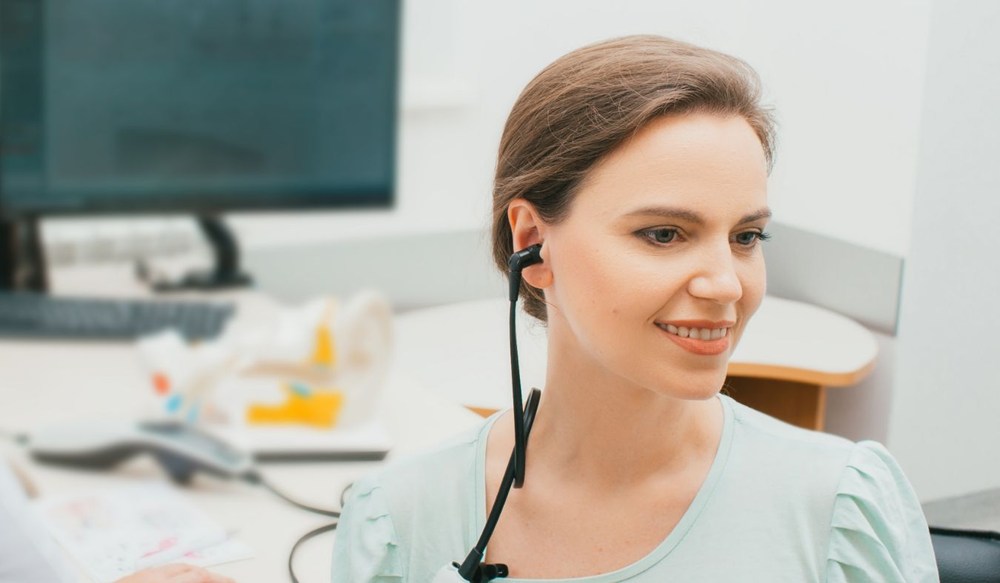
What works well in a quiet office does not necessarily hold up on a busy sideline or a loud gym floor, and that gap is exactly what a good fitting is supposed to close.

Matching hearing technology to an active lifestyle starts with understanding how someone actually spends their time. Two people with the same hearing loss may need different devices if one works at a desk and the other spends time in noisy job sites.

The fitting process is where that gets sorted out, and a clinic that asks the right questions before making recommendations tends to produce results that actually hold up in real life rather than just in the office.

Aligning Your Activity Level With Your Hearing Needs

Staying physically active often takes you into environments where sound behaves in unpredictable ways. Whether you are hitting the treadmill at a local gym or walking through a park, these settings are rarely quiet or still.

Your hearing aids should be able to keep up with these shifts so you can focus on your workout rather than struggling to catch a conversation. The audiologist will look at how you move and where you spend your time to find a solution that fits your specific daily routine.

Active individuals often run into specific hurdles that can make exercise less enjoyable when hearing loss is a factor. Wind noise can whistle across microphones during a bike ride, and the echoes in a large gym can make it hard to hear an instructor.

Moisture from sweat is also a practical concern, as it can sometimes cause a device to slip or stop working correctly. Finding the right fit and features helps you stay focused on your performance without worrying about your hearing aids.

Adapting Your Technology to Local Activities

Residents in Richfield often move from the quiet of a home office to windy walking paths or local indoor sports facilities in a single afternoon. The shift in acoustics between these environments requires a device that can pivot as fast as you do.

Today’s hearing aids are designed to recognize these changes and update their performance automatically. This allows you to go from a private meeting to a loud gym without needing to manually change your settings.

Your favorite activities are a major factor in which technology will work best for your daily life. If you spend time at sports centers, you may need features that handle echoes and overlapping voices. Outdoor enthusiasts often benefit from technology that reduces the sound of wind while they are on a trail.

Keeping Your Hearing Aids Secure and Protected

Physical activity requires a fit that stays put, no matter how much you move. If you are running on a trail or lifting weights, you should not have to worry about a device slipping out of place or getting damaged by moisture.

You can select specific features that help keep your hearing aids functional and safe during any activity:

  • Nano-coating: This specialized finish helps repel sweat and light rain during outdoor jogs or heavy workouts.
  • Custom earmolds: These are shaped specifically for your anatomy to make sure the device stays seated during high-impact movement.
  • Retention clips: These small attachments provide added peace of mind by tethering the aid to your clothing during team sports or cycling.

Managing Background Noise in Active Settings

Gyms and parks are often filled with sounds that compete with the people you are trying to talk to. Loud music and the hum of exercise equipment can make it difficult to follow a conversation or hear instructions from a coach.

These environments require your hearing aids to work hard to filter out background noises that are not important. You should be able to enjoy your workout or a walk in the park without feeling overwhelmed by the surrounding volume.

Modern hearing aids use directional microphones to help you focus on the person speaking directly in front of you. This feature lowers the volume of sounds coming from the sides or behind you, which helps you hear clearly in a crowd.

You can also try positioning yourself away from speakers or noisy fans to give your technology a better chance to work. Small adjustments like these allow you to stay engaged and present during your favorite social activities.

Staying Powered During Exercise

Wireless technology makes it much easier to stay active by streaming music, phone calls or fitness alerts directly to your hearing aids. This setup keeps your hands free and your focus on your workout instead of carrying extra gadgets around.

You also need to consider how you will power these features during a long morning walk or a training session. There are two primary battery options to choose from, depending on your lifestyle:

  • Rechargeable batteries: These are built into the device and charge overnight to provide a full day of use without the need for spares.
  • Disposable batteries: These provide flexibility for travelers or those who may not have access to an outlet for several days.

Supporting Your Technology With Regular Care

Active individuals often put more wear and tear on their hearing aids than those with a quieter routine. Frequent exposure to sweat, dust and wind means these devices need consistent attention to stay in top condition.

You can take several small steps at home to help your technology last as long as possible:

  • Daily cleaning: Use a soft and dry cloth every day to wipe down the exterior of your devices.
  • Moisture checks: Look for any signs of sweat or earwax that might block the microphones and speakers.
  • Safe storage: Keep your aids in a dedicated case to help prevent physical damage or loss when you are at the gym.
  • Filter replacement: Change these parts regularly to help keep the sound quality consistent and prevent clogs.
  • Professional check-ups: Routine visits allow us to adjust settings and perform deep cleanings that are hard to do at home.

Working With Your Specialist

Your audiologist acts as a coach who helps people get the best results from their hearing aids. Sharing specific details about daily hobbies allows the professional to make the right adjustments to settings so they match a specific lifestyle.

It helps to discuss exactly where hearing seems to be working well or where things are difficult during workouts. A detailed history of activity helps the audiologist personalize the settings for better performance.

Providing specific details about a routine helps your professional prepare technology for real-world use. Mentioning things like cycling, group fitness classes or long walks provides a clear picture of what is needed from a device.

These details allow the specialist to adjust for wind noise or find a more secure physical fit that stays in place during movement. Regular communication helps keep the technology working correctly for the specific situations encountered every day.

Criteria for Selecting New Technology

Choosing a new device involves looking at more than just the price or basic features. A person should think about how a device feels during a workout and how it sounds in a busy park. Your audiologist can help weigh the benefits of specific features against a daily routine.

Consider asking these specific questions during an appointment to determine which technology fits your needs:

  • Moisture resistance: Does the device have a rating that protects against heavy sweat and rain?
  • Security of fit: Will this specific model stay seated in the ear during high-impact sports?
  • Noise processing: How well does this option handle the echoes of a large indoor sports facility?
  • Battery life: Can the power source handle long days of streaming music and phone calls?

Answering these questions with the help of a professional allows for a choice that supports long-term health.

Discussing these details with an audiologist provides the information needed to pick the right devices. This collaboration leads to a better experience and more success with the selected technology.

Choosing Hearing Technology That Fits Your Active Life

The right hearing aids for your life are not always the ones that look best on paper. They are the ones that keep up when you are moving between environments, managing a busy schedule and not thinking about your hearing at all because you do not have to.

If you are ready to find out what that looks like for you specifically, The Hearing Clinic at Woodlake is right here in Richfield at (612) 200-8403. We fit people based on how they actually live, and we would love to show you the difference that makes.